5th WORLD CONGRESS ON LOGIC AND RELIGION
Vancouver, Canada
September 23-27, 2026
WORKSHOP
Artificial Intelligence, Faith, and Epistemic Coherence
Organiser: Dr. Houman Mehrabian, University Canada West
Keynotes:
Dr. Alfred Hermida, University of British Columbia: The New Pantheon: Believing Through Omnipresent, Omniscient, and Omnipotent AI
Dr. Kathryn Agnes Huether, University of California, Los Angeles: Artificial Witness: AI and the Politics of Trust
Artificial intelligence has become an unavoidable part of everyday life, and it is (directly and indirectly) determining how we produce and consume information, make decisions, and even form beliefs. Many now turn to this technology for answers that were previously provided by religious traditions, recognized scholars, or trusted media sources. For many, AI has begun to operate as a secular oracle. In this context, it is important that we rethink our ways of knowing as they become increasingly governed by algorithmic systems. This session invites papers that investigate what becomes of truth, authority, and belief when the conditions of knowing are mediated by artificial intelligence.
Questions to consider include, but are not limited to, the following:
- How does the rise of artificial intelligence challenge traditional forms of epistemic authority?
- How does declining trust in traditional institutions (religion, expertise, media) contribute to trust in artificial intelligence?
- What form of trust do users place in artificial intelligence, and how does it differ from trust in religious authorities, experts, or journalists?
- How do algorithmic systems shape not only what users see, but how they come to believe?
- Has trust in artificial intelligence begun to mirror the structure of religious faith?
- To what extent can artificial intelligence function as a normative authority that direct human decisions, values, and beliefs?
- How does epistemic coherence take shape when AI-generated outputs either confirm or contradict widely accepted knowledge?
- To what extent do AI-generated outputs present themselves as though they were revealed or divinely given, and how do interface design and system architecture contribute to this effect?
- How are the foundations of trust, testimony, and authority reconstituted in AI-mediated contexts?
- To what extent do users mistake fluency and coherence for truth in AI-mediated contexts?
- What forms of doubt remain constructive in a world increasingly mediated by intelligent systems?
- How does dependence on artificial intelligence restructure the ties between authority, belief, and knowledge?
- How do AI-driven systems of sense-making reshape, challenge, or destabilize religious and culturally grounded systems of knowledge and belief?
- How effective is formal education in logic in amplifying the benefits associated with artificial intelligence and reducing the risks?
- Is artificial intelligence inaugurating a new regime of belief in which authority is detached from both human and divine sources?
Return to the main CFP
Keynote Speakers
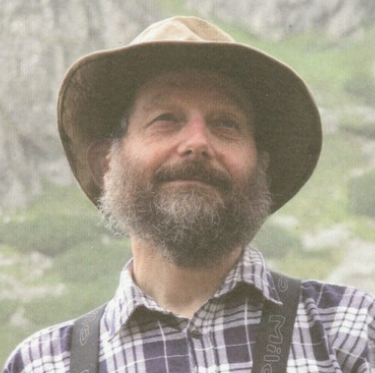
University of Warsaw
Inconsistencies in Theology and in Other Fields
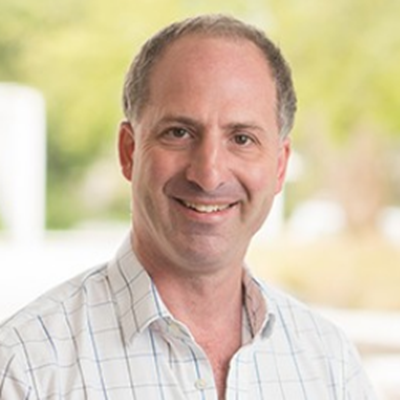
University of British Columbia
Infinite Utility and Pascal's Wager
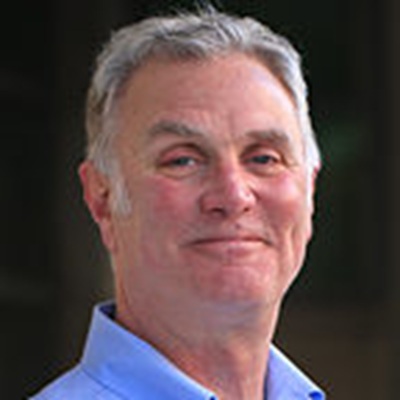
Seattle University
Is the Ontological Argument Worthless? A Neoclassical (Process) Theistic Response
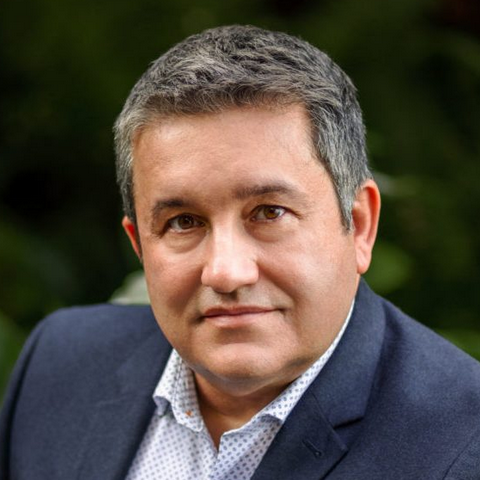
University of British Columbia
The New Pantheon: Believing Through Omnipresent, Omniscient, and Omnipotent AI

Pontificia Universidad Javeriana, Bogota
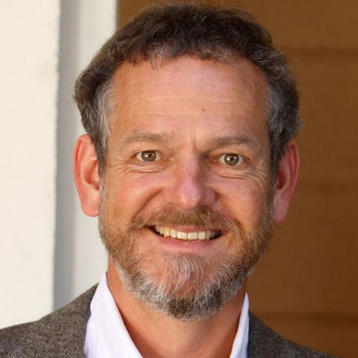
This is my body, This is my blood: paraconsistency, identity, and the logical problem of the Eucharist
Claremont School of Theology
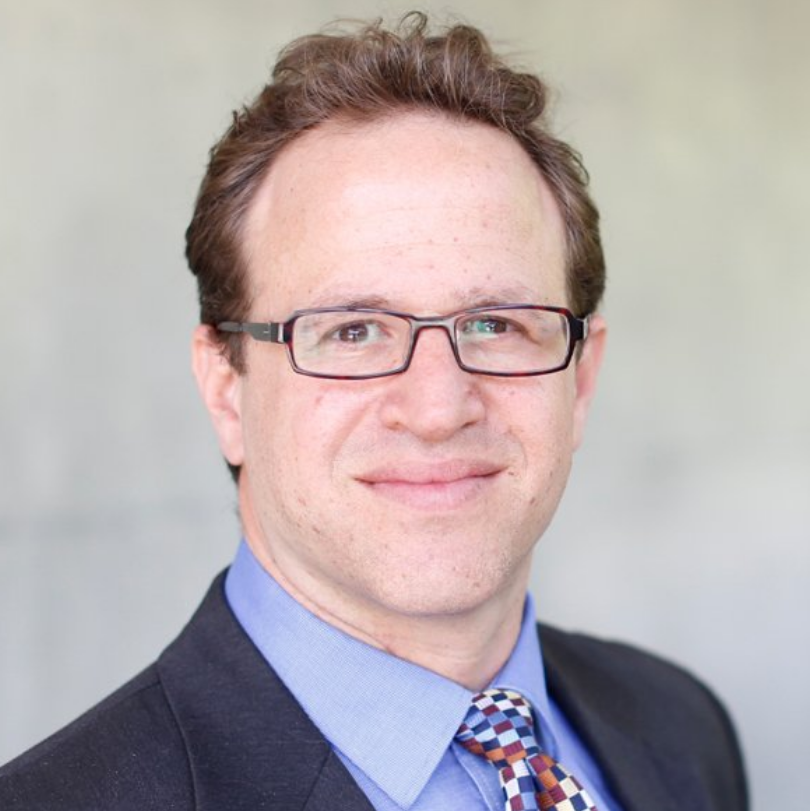
The Logics of Infinity and Inclusion: Rāmānuja, Śaṅkara, and Contemporary Panentheism
University of British Columbia
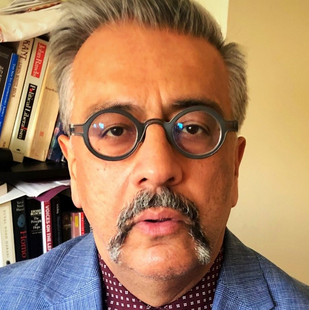
Logic and Illogic in Capitalism and Religious Faith
-
-
Simon Fraser University
Capitalism as Religion
-
-
-
Methexis Institute, Austin, Texas
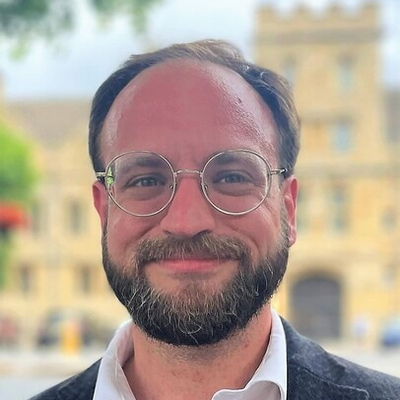
Origen Against Paradox: A Theological Analysis of the Liar's Paradox in Titus 1:12
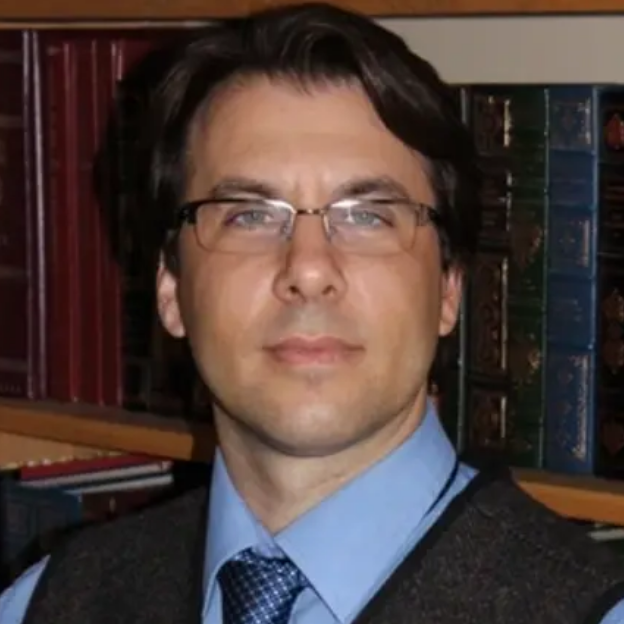
The International Masterson Institute
A Spirituality Informed Psychoanalytic Tradition
-
-
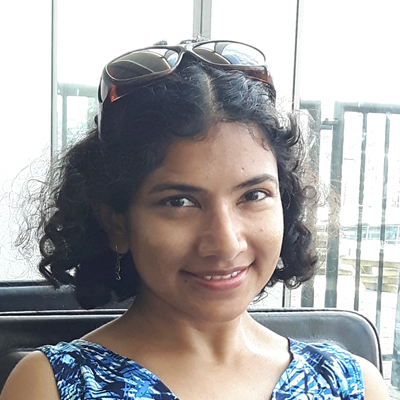
University of British Columbia
Modesty as an Ethics of Attention: Rethinking Islamic Dress
-
-
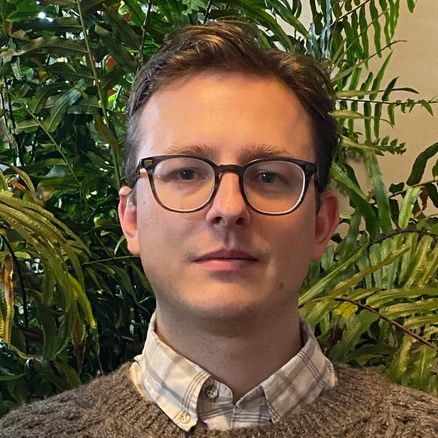
Florida Atlantic University
Intellectual Aparigraha and the Problem of Jain Contextualization
-
-

University of California, Los Angeles
Artificial Witness: AI and the Politics of Trust
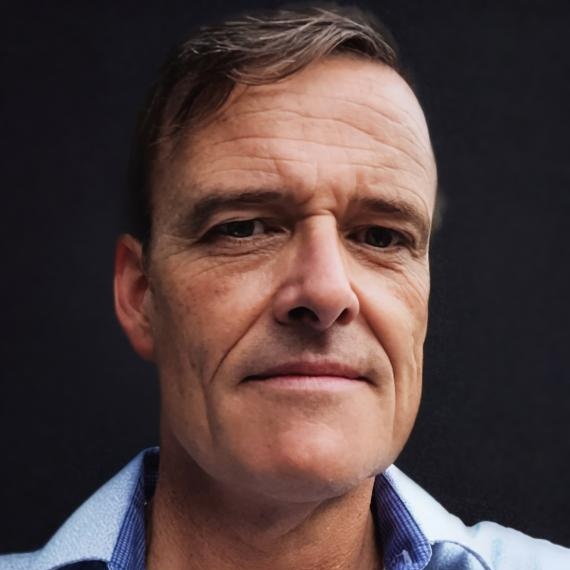
The University of Kansas
Against the Ontological Sublime: Sacred Historicity, Christian Remaking, & the Limits of Amazonian Perspectivism
The University of Kansas
TBA
Simon Fraser University
Divine Love as a Mode of Knowing: Rābiʿa al-ʿAdawiyya and the Paradox of Knowing the Infinite
Organisers
The institutional organizer of 5th World Congress on Logic and Religion is the Logic and Religion Association.
The local Institutional Organiser is the University of Canada West, Vancouver. The event is co-organised by the Simon Fraser University.
Organizing Committee
Jean-Yves Beziau
chair

Maira de Cinque
co-chair
Ricardo Sousa Silvestre
member

Francisco de Assis Mariano
member
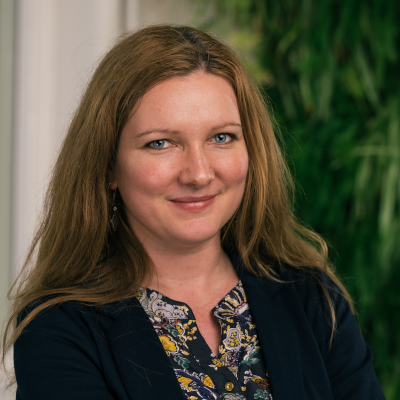
Agnieszka Rostalska
member
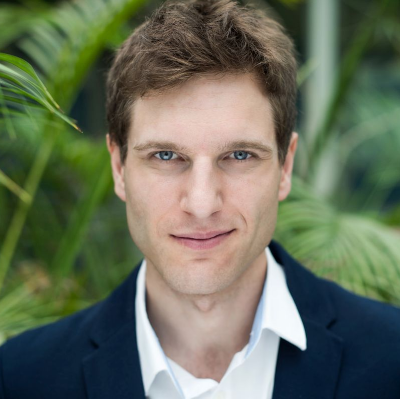
Marcin Trepczyński
member
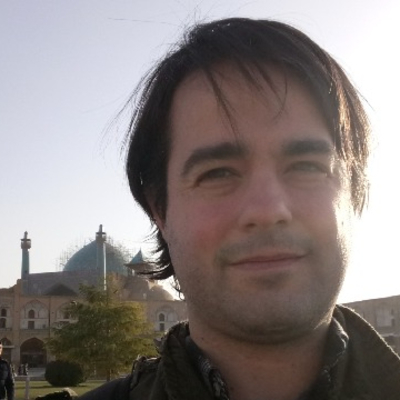
Daniel Molto
member
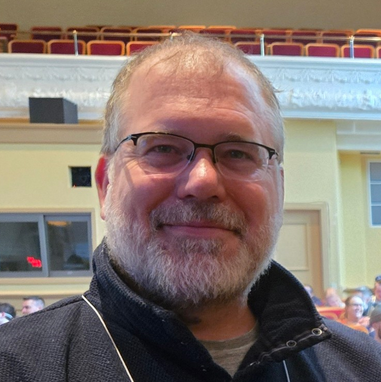
Nicolas Fillion
member
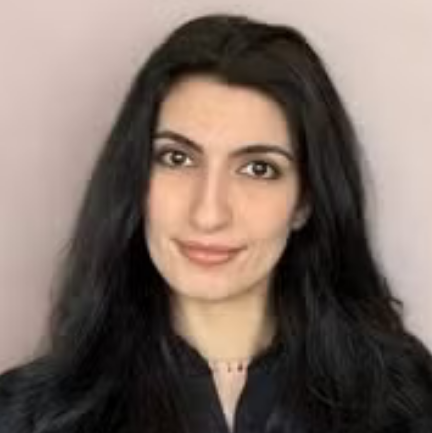
Tasneem Alsayyed
member
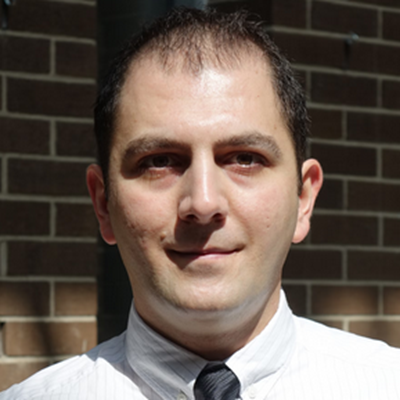
Houman Mehrabian
member

Daniel Bagheri Sarvestani
member
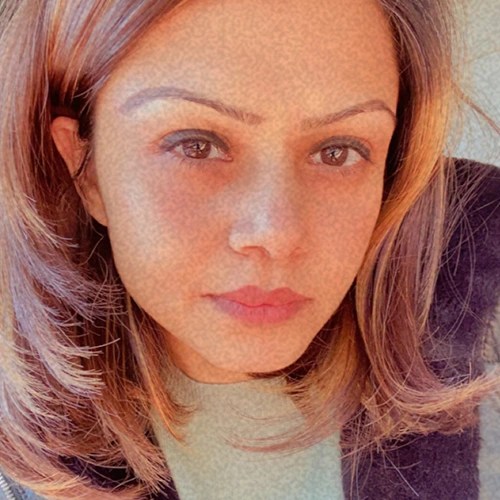
Gitanjaly Chhabra
member
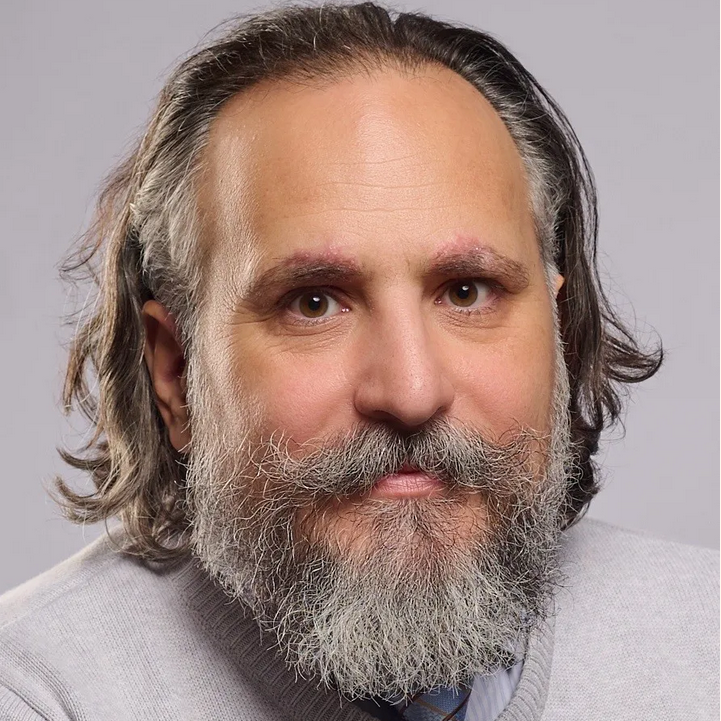
Christos Sideras
member

Deborah Baker
member
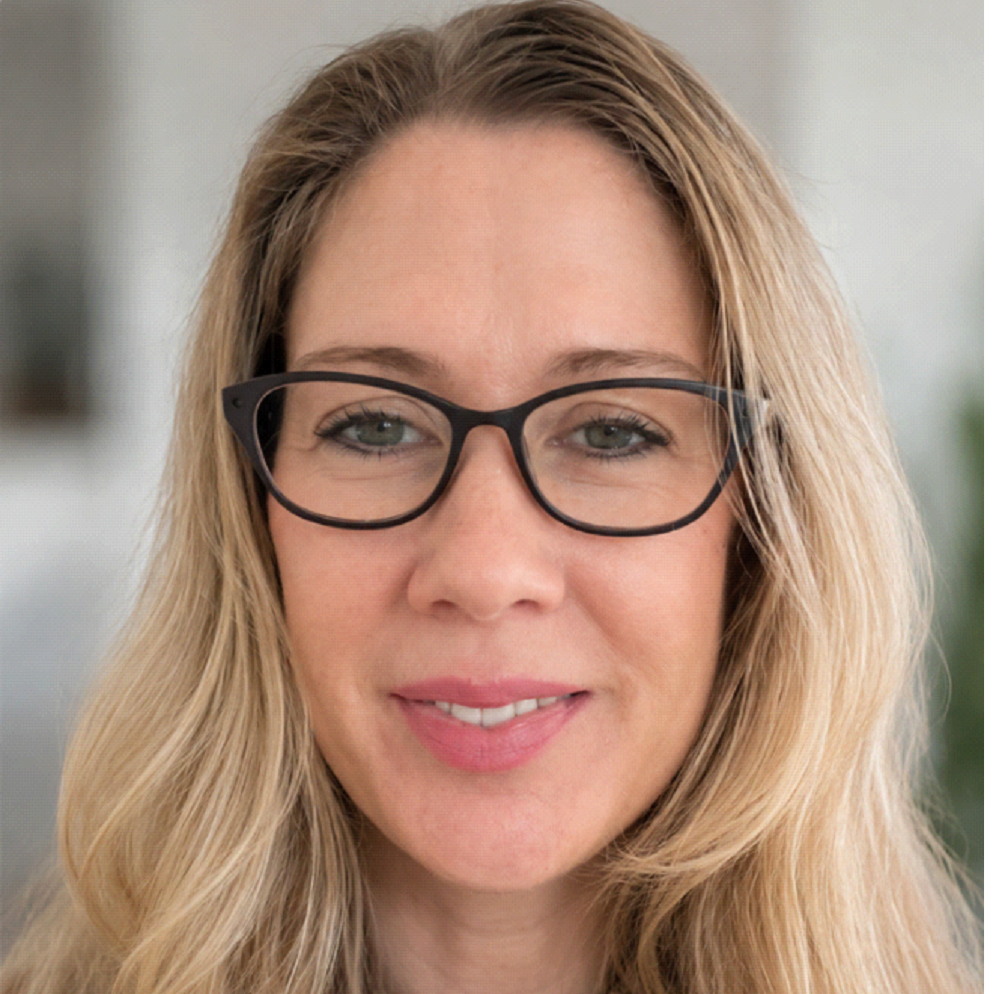
Dianne M. Cook
member
Programme
The programme of the congress is available here: 5WOCOLOR Programme
General schedule
|
Date
|
Time
|
Location
|
Main
Activity
|
Room
303
|
Room
304
|
306
|
|
Wed., Sept. 23
|
|
SFU Harbour Centre - Fletcher Theatre
|
|
|
|
|
|
|
|
(515 West Hastings Street)
|
|
|
|
|
|
|
|
|
|
|
|
|
|
|
1PM-3PM
|
|
Registration/Movie session
|
|
|
|
|
|
3PM-4PM
|
|
Opening Ceremony
|
|
|
|
|
|
4PM-5PM
|
|
Talk Paul Bartha
|
|
|
|
|
|
5PM-5:30PM
|
|
Coffee Break
|
|
|
|
|
|
5:30PM-6:30PM
|
|
Talk Daniel Dombrowski
|
|
|
|
|
|
6:30PM-7PM
|
|
Live Music
|
|
|
|
|
|
|
|
|
|
|
|
|
Thu., Sept. 24
|
|
UCW - Vancouver House
|
|
|
|
|
|
|
|
(1461 Granville St)
|
|
|
|
|
|
|
9AM-12:30 PM (Coffee
break 10:30-11)
|
|
|
Regular Session
|
Praxis-Based Logic and Virtue: Jainism, Sikhism, and Chinese
Traditions
|
Logic of Religious Dialogue
|
|
|
2:00-5:30 PM (Coffee break 3:30-4)
|
|
|
The Logic of Profit and Faith
|
Praxis-Based Logic and Virtue: Jainism, Sikhism, and Chinese
Traditions
|
Logic of Religious Dialogue
|
|
|
|
|
|
|
|
|
|
Fri., Sept. 25
|
|
UCW - Vancouver House
|
|
|
|
|
|
|
|
(1461 Granville St)
|
|
|
|
|
|
|
9AM-12:30 PM (Coffee
break 10:30-11)
|
|
|
Regular Session
|
Mysticism and the Logic of Panentheism
|
Artificial Intelligence, Faith, and Epistemic Coherence
|
|
|
2:00-5:30 PM (Coffee break 3:30-4)
|
|
|
Feminisms and Religious Thought
|
Mysticism and the Logic of Panentheism
|
Artificial Intelligence, Faith, and Epistemic Coherence
|
|
|
|
|
|
|
|
|
|
Sat., Sept. 26
|
|
UBC Robson Square
|
|
|
|
|
|
|
|
(800 Robson St)
|
|
|
|
|
|
|
9AM - 10AM
|
|
Performance "Simone Says"
|
|
|
|
|
|
10AM-10:15AM
|
|
Book Talk - Michael Bourne
|
|
|
|
|
|
10:15-10:30AM
|
|
Book Talk - Tom Culham
|
|
|
|
|
|
10:30- 11AM
|
|
Coffee Break
|
|
|
|
|
|
11AM-12PM
|
|
Talk Samir Gandesha
|
|
|
|
|
|
12PM
|
Meeting at Hornby Street
|
Field Trip - Grandville Island
|
|
|
|
|
|
|
|
|
|
|
|
|
Sun., Sept. 27
|
|
UCW - Vancouver House
|
|
|
|
|
|
|
|
(1461 Granville St)
|
|
|
|
|
|
|
9AM-12:30 PM (Coffee
break 10:30-11)
|
|
|
Psychoanalysis, Symbolic Systems, and Religion
|
Religious Paradoxes
|
Indigenous Knowledge Systems and World Religions
|
|
|
2:00-5:30 PM (Coffee break 3:30-4)
|
|
|
Regular Session
|
Religious Paradoxes
|
Logical and Computational Omniscience
|
|
|
6-8 PM
|
|
Round Table & Closing Ceremony
|
|
|
|
Venue
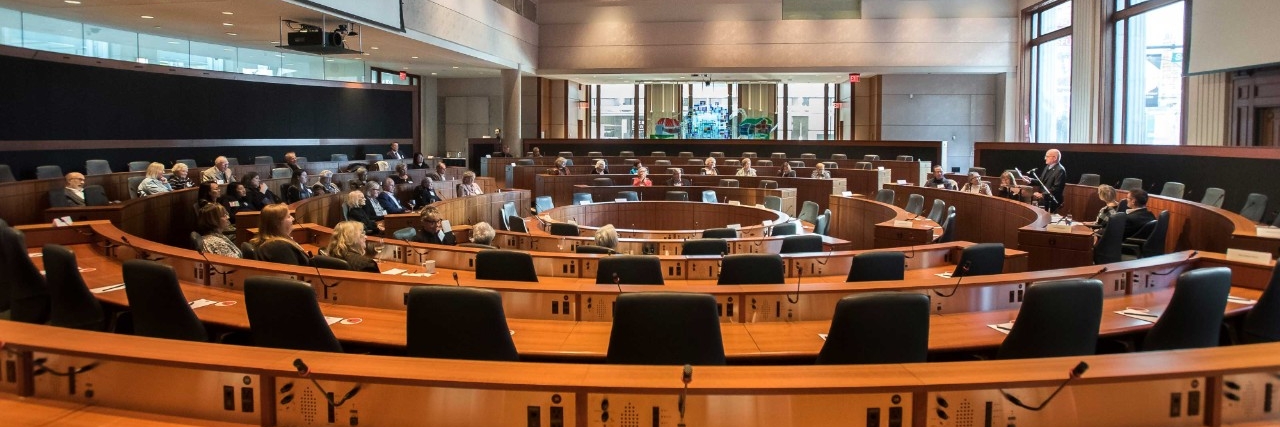
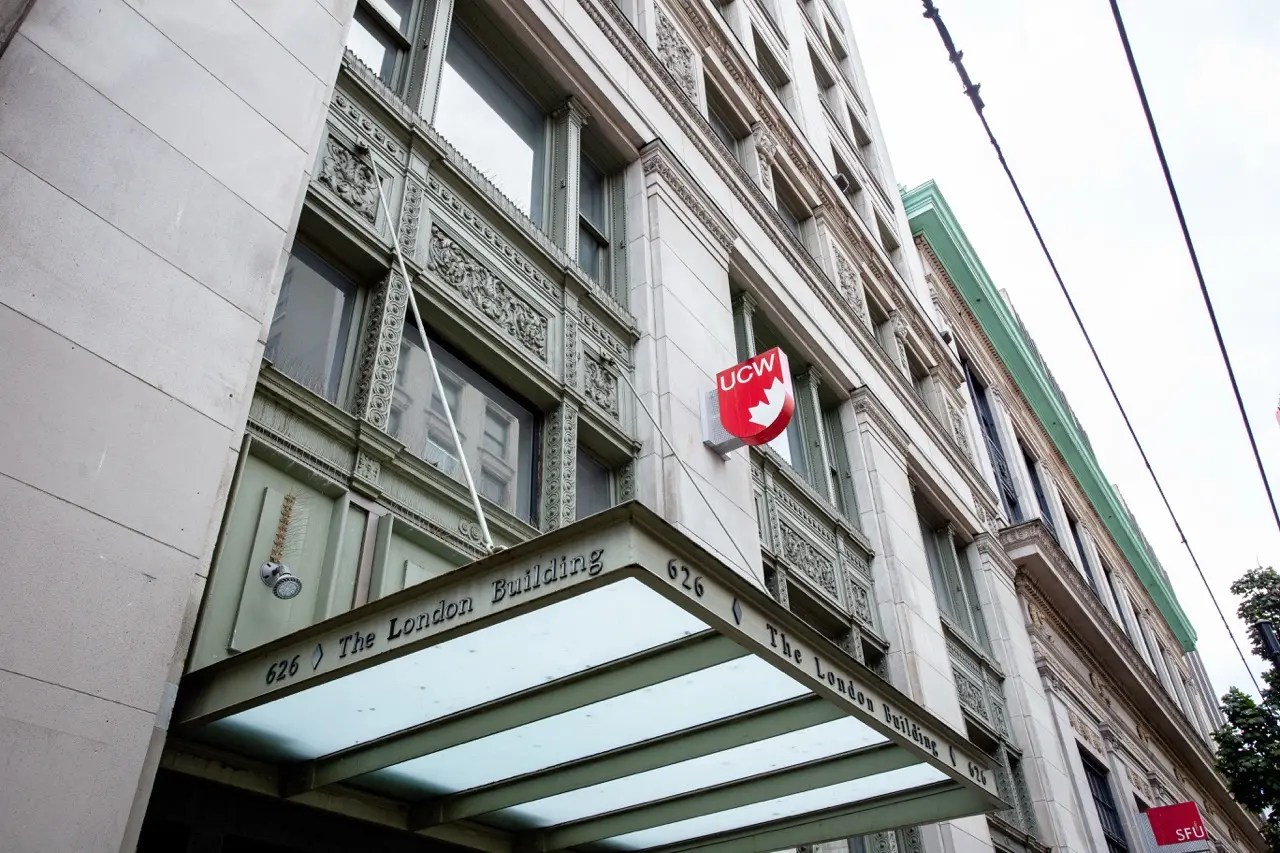
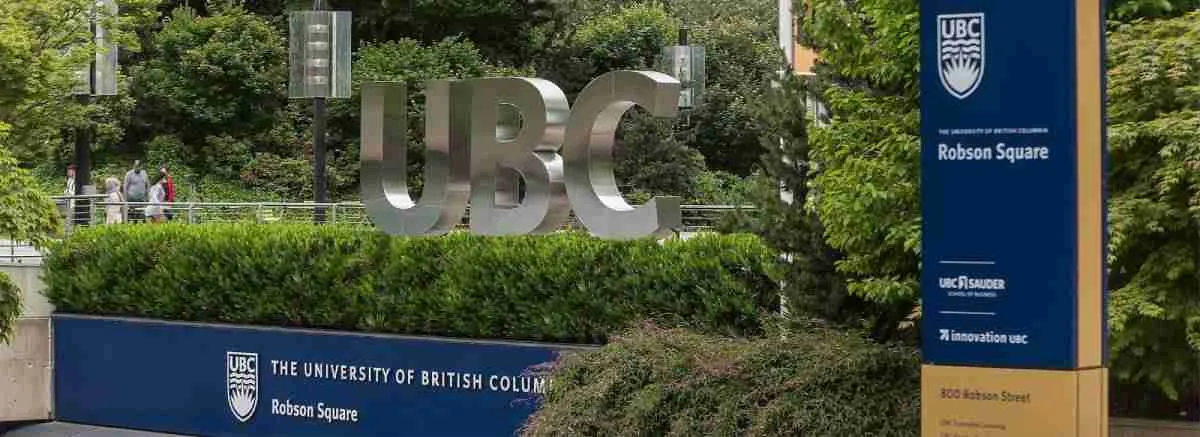
The conference will be held in different locations:
at the Simon Fraser University - Vancouver (Fletcher Challenge Theatre - SFU Harbour Centre - 515 West Hastings Street),
at the University Canada West - Vancouver (1461 Grandville Street),
and at the University British Columbia - Vancouver (Robson Square Theatre - 800 Robson St.).
Accommodations
If you are wondering about your own accommodation, or if your keynote has funding, we have three suggestions. These are close and really nice:
Georgian Court Hotel:
Click here to see the offer on Booking.com
The St. Regis Hotel: Click here to see the offer on Booking.com
The Quality Inn and Suites (a cheaper one, it's nice and 10 mins walk): Click here to see the offer on Booking.com
Registration and Fees
Step 1. To take part in the event as a speaker (after notification) or an attendee, please register using the following form where you indicate your fee and all necessary data: click here to register
Step 2. Ater registering, please issue a payment according to the proper fee:
by credit/debit card payment in USD
or via bank transfer in EUR.
Step 3. Send the payment confirmation to: lara@logicandreligion.com
In order to issue a payment (after notification and registration): click here to purchase a service and pay
(you will also find links to the card payments in USD in the table below)
-
Regular
- scholars with monthly income over 2000 USD/EUR
- early bird: 300 USD / 260 EUR
- after July 31, 2026: 400 USD / 340 EUR
-
Reduced
- scholars with monthly income 2000 USD/EUR or lower
- early bird: 150 USD / 130 EUR
- after July 31, 2026: 200 USD / 170 EUR
-
Attendees
- participants who do not present speeches or posters
- early bird: 130 USD / 110 EUR
- after July 31, 2026:
Full conference ticket: 170 USD / 145 EUR
Daily tickets: 43 USD per day / 33 EUR per day
For Students: 22 USD / 17 EUR per day
Note: Scholars and students are all welcome to participate. Categories are based on monthly income. Choose Reduced if your income is 2000 USD / EUR or lower. Choose Regular if your income is above this threshold. The Attendees category applies to those participating without a speech or poster.